What to Know About Dental Bridges
Regain Your Smile With Custom Bridges
Best Family Dentistry in Wilmington, NC
A healthy complete smile does more than help you look your best. It supports your confidence your comfort and your long term oral health. When even one tooth is missing it can affect the way you chew the way you speak and even the way you feel about your smile. At Cape Fear Smiles we understand how important it is to restore the function and appearance of your teeth in a way that feels natural. One of the most trusted solutions we offer through wilmington family dentistry is the dental bridge.
If you are considering treatment for a missing tooth or want to understand your options this detailed guide will walk you through everything you need to know about dental bridges and how they can help rebuild your smile.
What Is a Dental Bridge
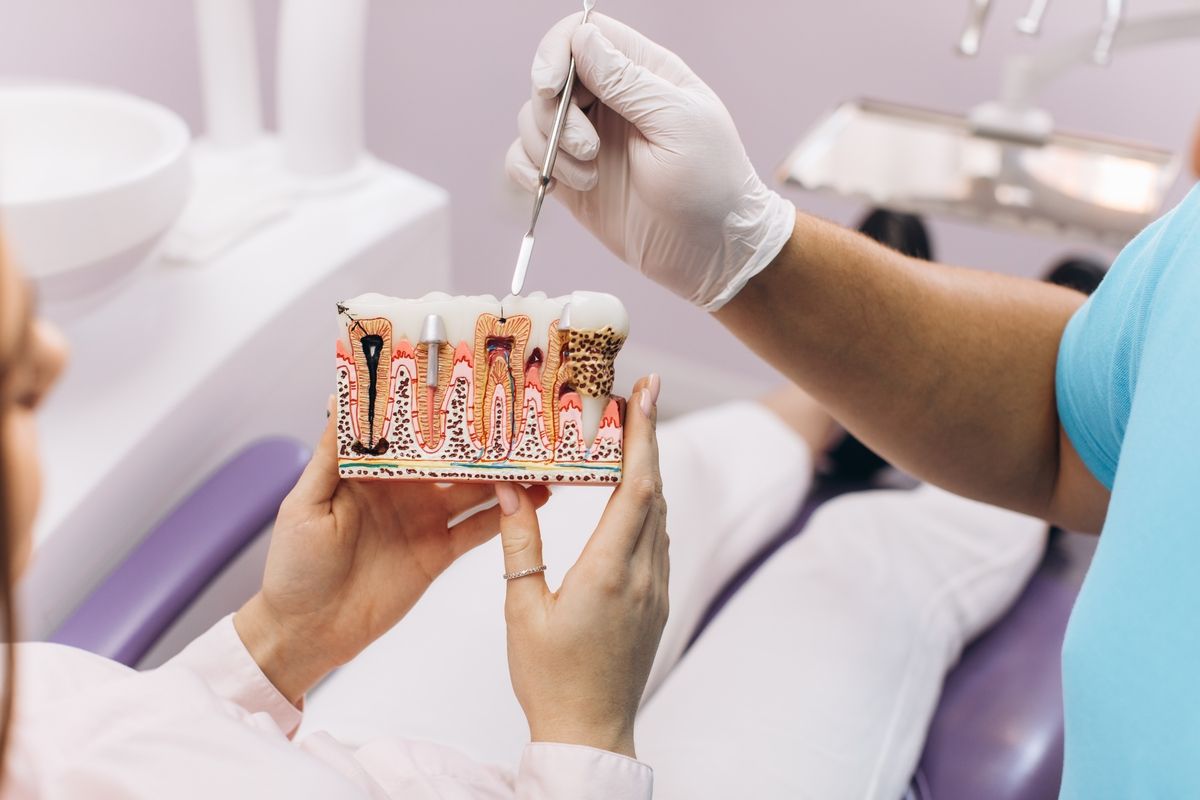
A dental bridge is a custom crafted restoration that replaces one or more missing teeth by bridging the space between healthy teeth. The bridge includes an artificial tooth or multiple artificial teeth called pontics which are anchored by crowns on the natural teeth that sit beside the gap. When placed correctly the bridge looks completely natural and restores full chewing and speaking function.
At Cape Fear Smiles we take great care to design bridges that match the color and shape of your surrounding teeth. Our advanced digital technology allows us to create restorations that feel comfortable look beautiful and support your long term health.
Why You Should Replace Missing Teeth Promptly
Many people believe a missing tooth is only a cosmetic concern. In reality it affects almost every part of your oral health.
Shifting of Nearby Teeth
When there is an empty space teeth naturally move toward it. This shifting can cause crooked teeth bite changes and difficulty cleaning between teeth. It may eventually require orthodontic treatment to correct.
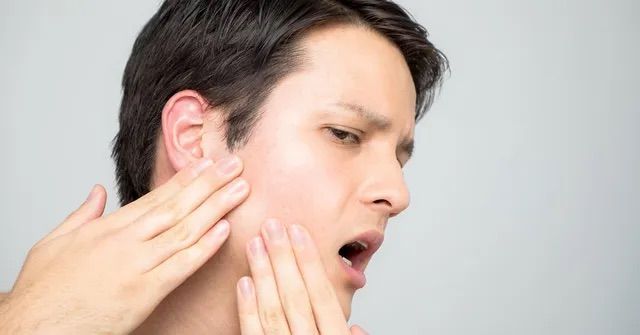
Bite Problems and Jaw Strain
An uneven bite forces your jaw muscles to work harder. Over time this can lead to soreness headaches or even fractures in remaining teeth.
Bone Loss in the Jaw
Your jawbone is stimulated by the pressure of chewing. When a tooth is missing that area of the bone begins to shrink which can change facial appearance and weaken support for neighboring teeth.
Chewing and Speech Issues
Chewing certain foods becomes harder and you may even notice changes in speech depending on where the missing tooth is located.
Replacing the missing tooth with a dental bridge helps restore comfort and prevent future dental problems.
Types of Dental Bridges Available
Cape Fear Smiles offers several types of bridges depending on your unique needs.
Traditional Bridge
This is the most common type. Two supporting crowns are placed on healthy teeth with the artificial tooth connected between them.
Cantilever Bridge
This type uses only one supporting tooth and is used when there is no tooth on the other side of the gap.
Maryland Bridge
This uses a metal or ceramic wing bonded to the backs of the supporting teeth instead of crowns. It is more conservative but only recommended in areas with minimal chewing pressure.
Implant Supported Bridge
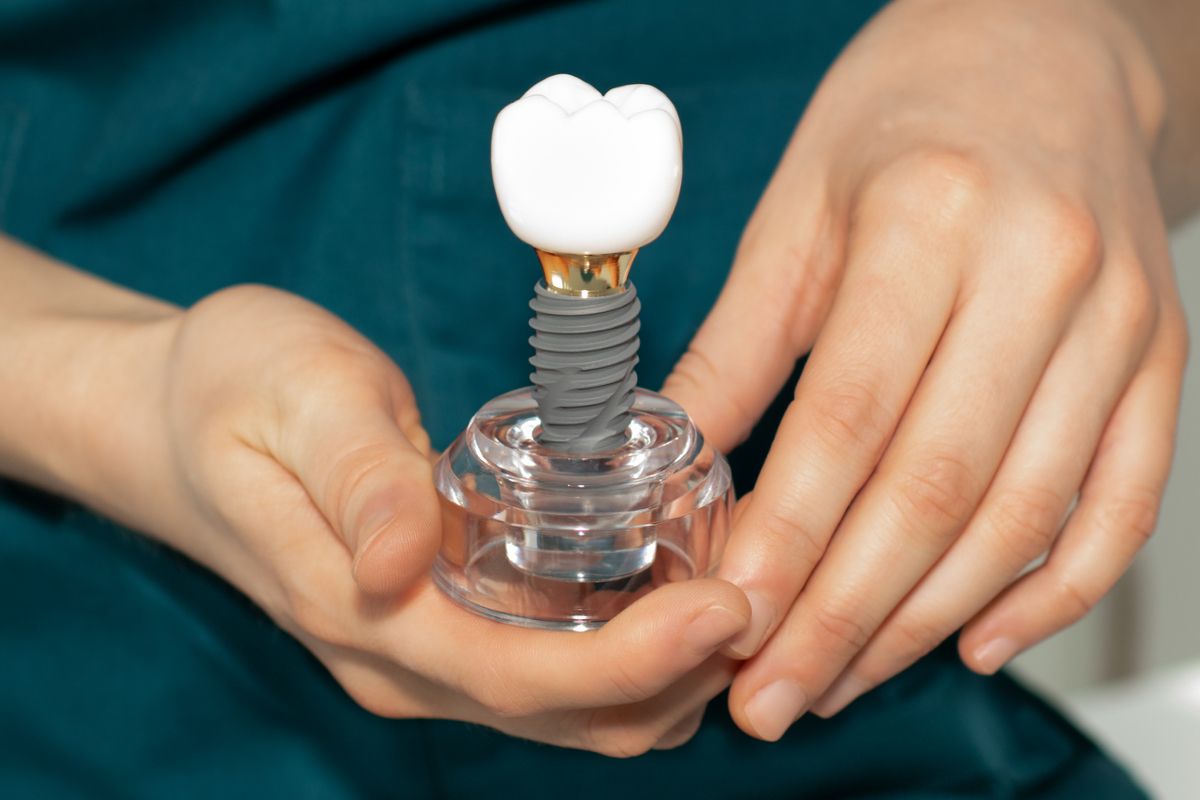
This type uses dental implants instead of natural teeth for support. It is extremely stable and ideal when several teeth in a row are missing.
Your dentist will help you choose the style that best supports your oral health goals and comfort.
The Dental Bridge Process at Cape Fear Smiles
Getting a dental bridge is a comfortable and straightforward process that takes two to three visits.
Step One Consultation and Planning
Your dentist will perform a detailed examination and take digital images to assess the teeth surrounding the missing space. You will review your options and choose the best type of bridge for your needs.
Step Two Preparing the Supporting Teeth
If your bridge relies on natural teeth for support they will be gently shaped so that crowns can fit over them. Once prepared a temporary bridge is placed to protect your smile while the permanent one is created.
Step Three Creating the Custom Bridge
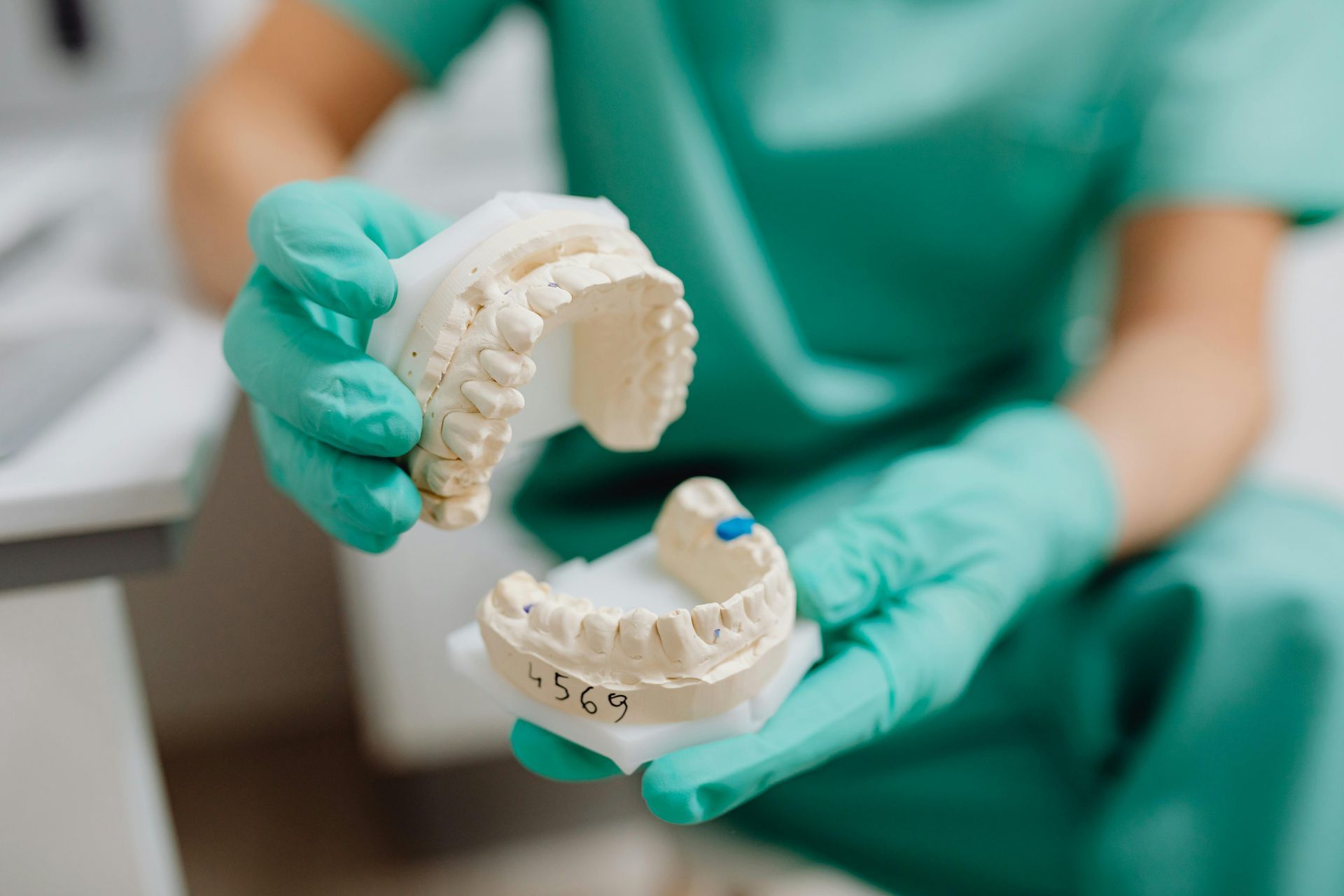
Your impressions or digital scans are used to craft the bridge. Our team ensures that your bridge matches the color shape and natural appearance of your teeth.
Step Four Placement and Final Adjustments
Once your bridge is ready you will return to have it fitted and permanently bonded. Your dentist will check your bite alignment and make sure the bridge feels comfortable and secure.
Benefits of Dental Bridges
Dental bridges restore both function and confidence. Benefits include:
- Natural appearance
- Comfortable chewing
- Improved clarity of speech
- Prevention of shifting teeth
- Support for facial structure
- Long lasting durability
Patients at Cape Fear Smiles appreciate how quickly a dental bridge can restore the look and feel of a complete smile.
How to Care for Your Dental Bridge
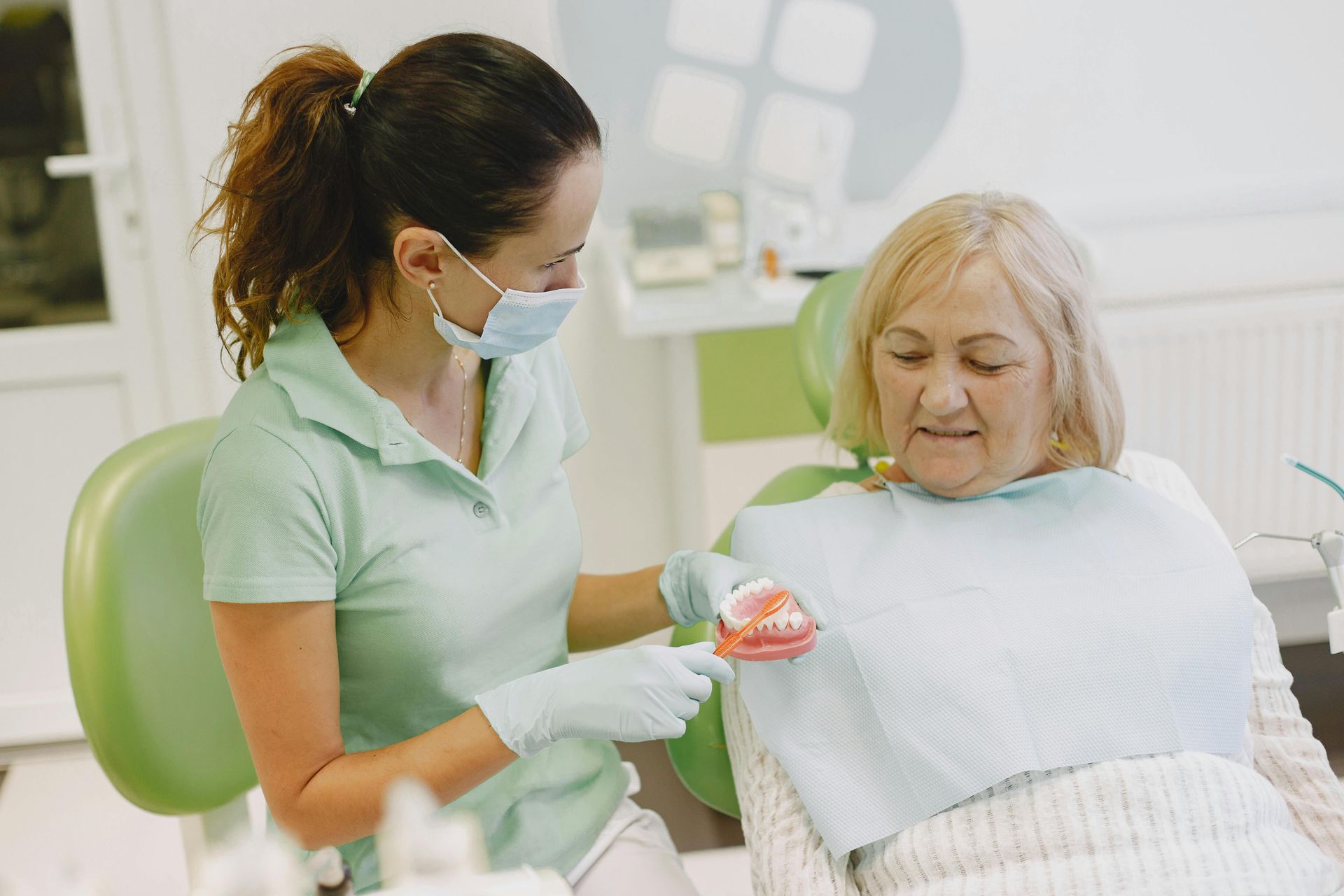
A dental bridge requires daily brushing flossing and attention to gum health. Floss threaders or small brushes help clean beneath the pontic. Regular checkups at Cape Fear Smiles are essential to monitor the health of your bridge and surrounding teeth.
Enhancing Your Smile Even Further
If you want to brighten or refine your smile our practice also offers veneers wilmington and other cosmetic options. Bridges can be combined with aesthetic treatments to create a polished cohesive look you love sharing.
We also work closely with patients who have questions about dental insurance wilmington to help them understand what may be covered and how to make treatment affordable.
Restore Your Smile with Confidence
A dental bridge is one of the most trusted ways to fill the gap left by missing teeth. At Cape Fear Smiles we provide personalized compassionate care to help you feel confident comfortable and proud of your smile again. Whether you need a single restoration or a complete treatment plan our team is here to support your journey.
716 Medical Center Drive, Wilmington, North Carolina 28401, United States
Recent Post